

Colorful Paint Projects That Make Learning Come Alive
Shop classroom paints, tools, creative surfaces, and art stations, then explore teacher-friendly ideas for art, math, science, sensory learning, and classroom creativity.
Shop Paints by Type
Choose the right paint for blending, sensory play, posters, crafts, murals, and everyday classroom creativity.
Watercolors
Great for soft color work, journals, nature studies, illustrations, and blending lessons.
Shop Watercolors →Tempera Paint
Bold classroom paint for posters, seasonal crafts, bulletin boards, and group murals.
Shop Tempera →Activity Paint
Fun paint options for open-ended art, classroom crafts, and creative expression.
Shop Activity Paint →Finger Paint
Supports early childhood creativity, color mixing, handprint art, and tactile learning.
Shop Finger Paint →Shop Paint Tools
Set up smoother painting stations with brushes, trays, cups, and aprons.
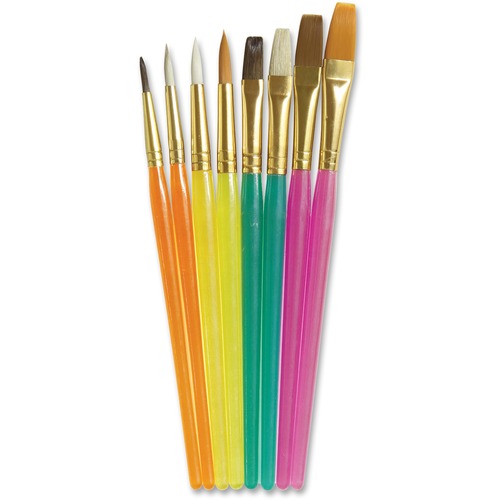
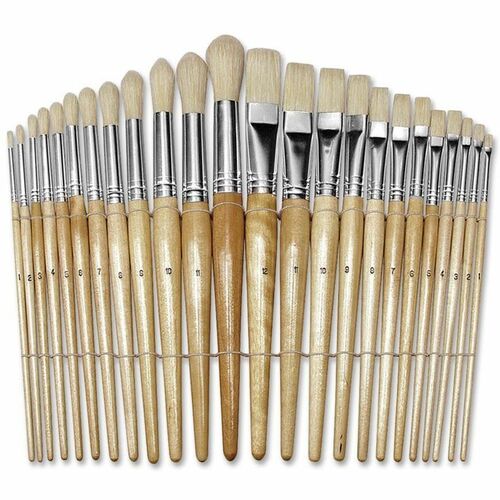
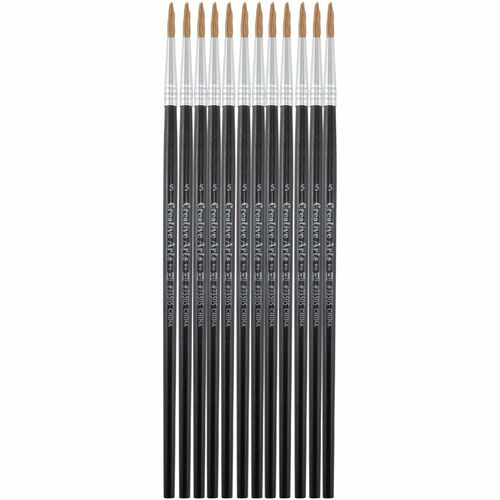
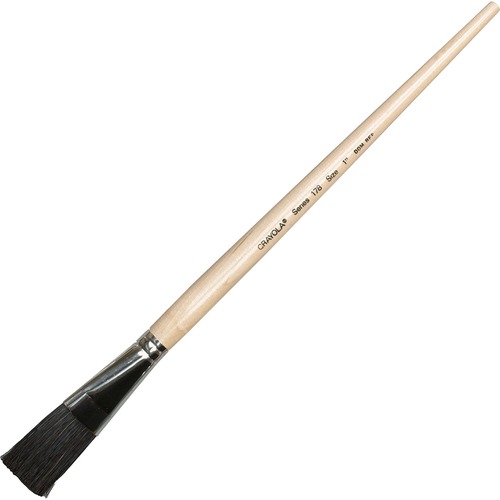
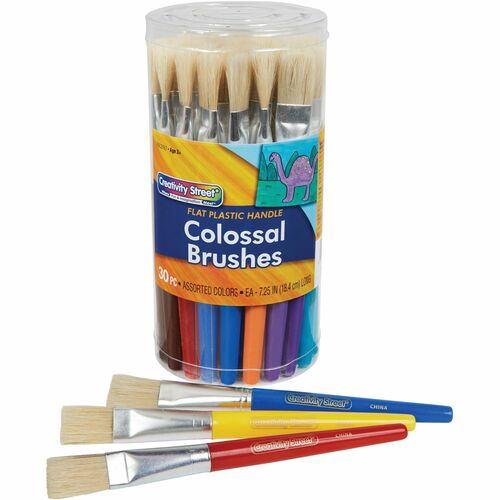
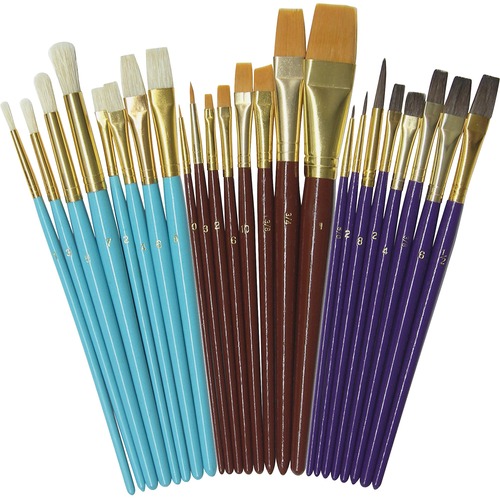
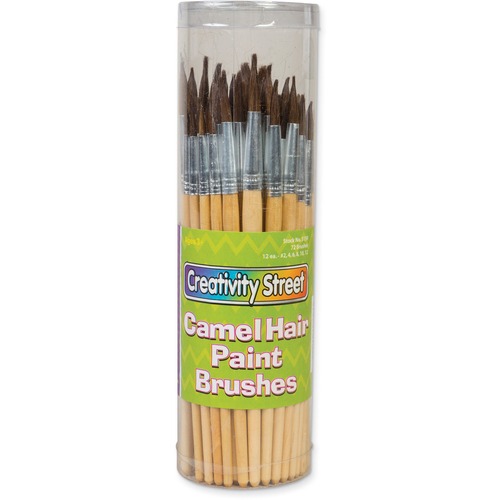
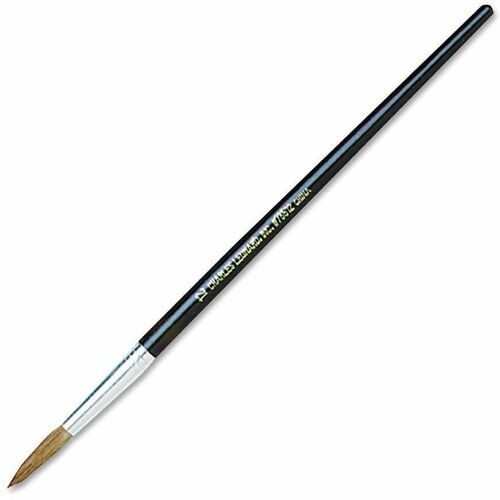
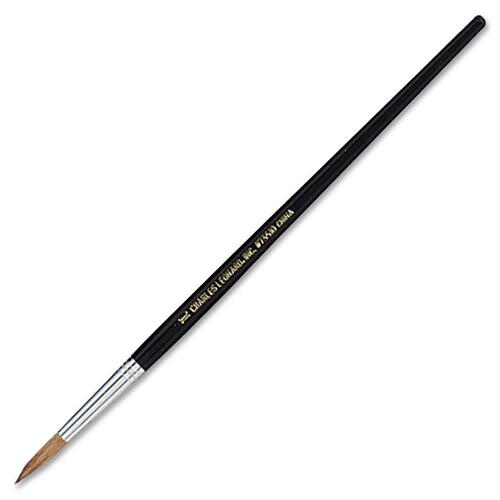
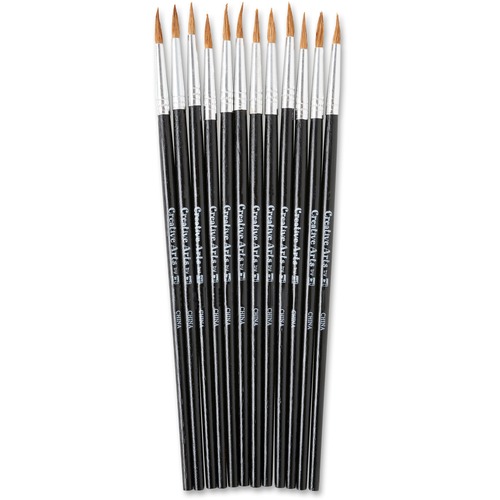
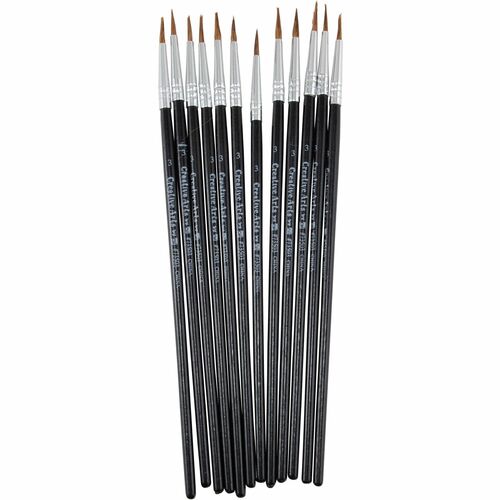
Paint Brushes
Use for line work, guided painting, posters, large projects, and student art stations.
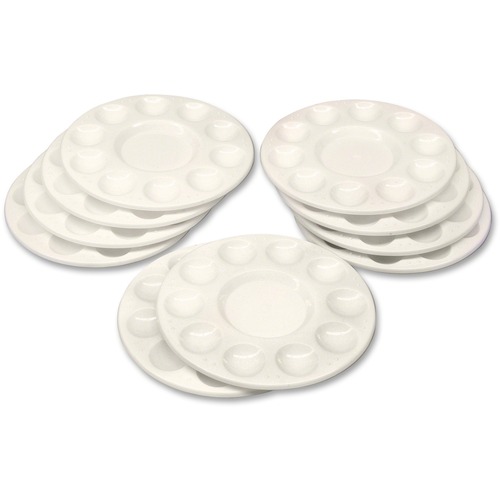
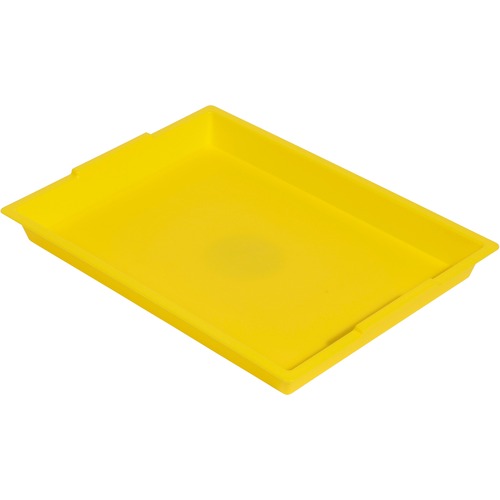
Shop Brushes →Paint Trays
Keep colors organized for group projects, art tables, murals, and small-group lessons.
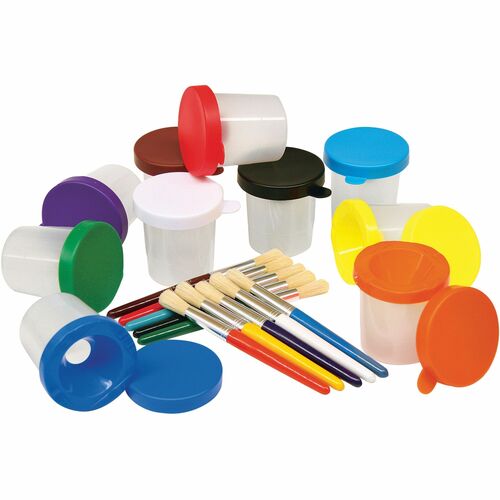
Shop Trays →Paint Cups
Helpful for water, paint portions, brush rinsing, color sorting, and shared supplies.
Shop Cups →Disposable Aprons
Protect clothing during painting, finger painting, science experiments, and messy craft activities.
Shop Aprons →Shop Creative Surfaces & Art Stations
Add color transfer, watercolor practice, murals, backdrops, art stations, and large classroom displays.
Bleeding Art Tissue
Create watercolor effects, layered art, texture projects, and colorful displays.
Shop Art Tissue →Rainbow Kraft Rolls
Use for murals, bulletin boards, backdrops, table covers, and classroom projects.
Shop Kraft Rolls →Watercolor Paper
Designed for watercolor painting, blending practice, wet media lessons, and student artwork.
Shop Watercolor Paper →Art Stations
Organize paints, brushes, paper, and supplies with dedicated classroom art stations.
Shop Art Stations →Skills Students Build Through Painting
Painting supports more than creativity. It helps students practice observation, fine motor control, collaboration, communication, math thinking, and science discovery.
Painting Ideas That Include Math & Science
Use paint as a hands-on way to teach color theory, measurement, patterns, observation, symmetry, weather, and nature studies.
Color Mixing Experiment
Students test what happens when primary colors are mixed. They record predictions, observations, and results.
Symmetry Paint Fold
Students paint one side of a folded page, press it together, and study symmetry, halves, and mirror images.
Pattern Painting
Students create repeating color patterns, shape patterns, and number-based paint designs.
Weather Watercolors
Students use watercolor paper to paint clouds, rain, wind, sunsets, and seasonal weather observations.
Measurement Murals
Students measure brush strokes, mural sections, borders, and repeated shapes while building a group display.
Nature Observation Art
Students paint leaves, flowers, insects, habitats, and animal patterns after close observation.
Texture Exploration
Students compare paint textures, tissue transfer, brush types, and surfaces to describe how materials behave.
Counting Color Dots
Students create dot paintings, count color groups, compare totals, and build early graphing conversations.
Creative Classroom Moments
Use paint supplies to create memorable learning moments across art, science, SEL, and classroom community projects.
Color Mixing Labs
Students explore colors while practicing prediction, observation, and comparison.
Collaborative Murals
Create hallway art, kindness walls, classroom identity pieces, and group displays.
Sensory Painting
Finger paint, tissue art, and texture activities support early learning and creative confidence.
Teacher Tip: Make Painting Feel Manageable
Set up supplies by station before students arrive. Use trays for shared colors, cups for water and paint portions, aprons for messy work, and a simple cleanup routine: paint, rinse, dry, return.
Teacher Paint Selection Guide
- Watercolors: Best for blending, nature studies, journals, and soft artwork.
- Tempera: Best for bold posters, murals, and bulletin boards.
- Activity Paint: Best for creative centers and open-ended projects.
- Finger Paint: Best for sensory play, handprints, and early learning.
Classroom Setup Tips
- Use trays to separate colors by group.
- Pre-fill paint cups before class.
- Sort brushes by size and purpose.
- Use kraft rolls to protect tables or create mural surfaces.
Cleanup & Storage Tips
- Create a brush rinse station.
- Label color areas clearly.
- Use aprons for messy projects.
- Post visual cleanup steps for younger students.
PDF Learning Tips & Teacher Downloads
Download classroom-ready guides, lesson ideas, and printable resources designed to help teachers save time, support student learning, and make every activity more engaging.
Color Mixing Lesson
A simple classroom guide for teaching primary, secondary, and blended colors.
Download PDF →Paint Station Setup
Use this checklist to prepare trays, cups, brushes, aprons, and cleanup areas.
Download PDF →Math Through Painting
Pattern, symmetry, counting, shapes, and measurement activities using paint.
Download PDF →Science Through Painting
Color experiments, weather observations, nature studies, and texture exploration.
Download PDF →Classroom Art Center Guide
Ideas for organizing an art station that supports independence and creativity.
Download PDF →Cleanup & Storage Guide
Teacher-friendly routines for drying artwork, washing brushes, and storing supplies.
Download PDF →Featured Paint Project Ideas
Paint Accessories